Gardening in Waitaki

Gardening in Waitaki
Weekly garden blog

Tuesday, March 17, 2020

Gardening in North Otago March 17th 2020


Leaves have started to drop.
Gardening has not been cancelled, on a positive note weeding, raking and planting is full on so be safe if staying home at this difficult time is the right situation for you to spend time with nature, rewards are real.
Leaves are turning and some beginning to fall, Silver birch in our garden is always the first along with our wonderfully prolific flowering bougainvillea dropping a crimson carpet.
Cutting back has stepped up here in readiness for a layer of compost, then pea straw as a final cover when most of the leaves have been removed later on.

Now is a good time to re pot pots and baskets that have been flowering and filling containers with roots. At this time of the year everything planted will settle in well and put on growth before the colder months slow growth down. It is best to pull all out to see how root bound a pot or basket is then usually a spade is needed to chop through 2 thirds of the root ball. Soak potted shrubs with roots reduced in a bucket of water until bubbles stop before replanting into new mix. 

I water plants in at this time of the ear with comfrey tea. Brew a fertiliser with more potash and nitrogen than commercial feeds and comfrey leaves are plentiful right now for picking and making plant tea. Comfrey as a Fertilizer has three major nutrients plus high levels of calcium applied as a liquid soil drench or as a foliar spray.Making comfrey tea:  A generous bundle of comfrey leaves, A bucket of water. Place chopped comfrey leaves at the bottom of a bucket. Weigh down with a brick, fill bucket with water, and cover for three weeks before diluting, one part 'tea' to 10 parts water. If you would like a root of comfrey let the Ladies at the Garden corner at our Resource Recovery park know.

Keep dead heading roses in the hope of more blooms to make a last vibrant show before they will be left to harden for winter. Rust is always a problem on roses in Autumn, try to eradicate affected leaves from the bushes as well as those on the ground and burn them to reduce this problem for next year. Don't feed roses now, soft growth needs to make a start at hardening.

Lawns. 
As days become cooler and heavy dew's are happening again grass will start to recover from dryness and if lawns have no spring in them there will probably be a high content of clay restricting roots. Gypsum applied before a good shower of rain will help and if applied at intervals over a couple of years there will be a spring in your lawn.

Fruit:Late peaches, quince and apples trees are dripping with fruit, If you need to store a small amount apples, the refrigerator is a good option. Place them in the crisper drawer in a plastic bag with holes or cover the apples with a damp paper towel.Keep boxes of apples in a cool, dark place and they should stay stay crisp. Make sure there are no bruised or damaged apples among stored boxes.

Vegetable  Gardens will be growing new crops for the cooler seasons, leaf veg should not bolt so readily now and will not mind days getting shorter and cooler and root veg seeds will germinate well while the ground is still warm. My second sowing of peas are up, corn is picked and the pumpkins have out grown their space and just keep going. Onions can be lifted once leaves have bent over, don't bend or damage leaves before they are ready to bend naturally if you want them to store and keep well.  Once dug lay them out in a warm place to fully ripen then store in a cool place.

Cheers Linda.

Tuesday, March 10, 2020

Gardening in North Otago 10th March 2020


Autumn watering important for maples

Entering into the ripening season things are dry here in North Otago, watering should be number 1 on the gardening list to keep plants, shrubs and trees from  becoming dehydrated. Acer, (Japanese maples ) can be lost by becoming too dry during autumn.
I have been seed collecting and sowing to get young seedlings well on before the ground cools. Summer annual seeds need to be saved in a dry place until time to sow in spring but seeds from hardy spring flowering plants can be sown now, pansy, viola, pollyantha, delphinium,  antirrhinum ( snapdragon), wallflower,  Cyclamen, stock, sweet-pea, primrose and calendula.
Cuttings: Now until the end of Autumn is the perfect time to take stem cuttings from shrubs and woody plants. Take semi hard wood cuttings, not too hard and not too floppy these will still contain the necessary energy too push out roots to continue growing. Cuttings can be left in water containing willow leaves and branches over night which will stimulate cuttings as hormone rooting powder does. I use wet sharp river sand or crusher dust with a little compost added for cuttings to push roots into. Cuttings taken now will need to be taken through the winter before being potted so protection from the cold will be needed when days and nights cool. If you do not have a glass or tunnel house a cold frame is good protection. A raised frame covered with heavy plastic will do the trick and when it is very cold a layer or 2 of frost cloth can be added. 
Rose cuttings taken now will give good results, take a cutting on a slant from a stem that has flowered approx 15 cm long from a mid section with at least 3 growth nodes, 2 of these should be buried when cuttings are planted.  Pop cuttings into water as soon as cut, willow water as above if you can. Plant cuttings close together in a pot of wet river sand with good drainage. Roses are grafted these days but some rose enthusiasts consider cutting grown roses to be the stronger growing. 
Planting a new garden: March is defiantly a great planting month If planting a new garden. Garden outlets are well stocked with shrubs, trees, plants and bulbs The warm ground is perfect now for new plantings to make some growth, harden and settle in for the first winter.
Bulbs: I notice spring bulbs beginning to move up through the ground and those still below the dirt I sometimes dig up by mistake, even trillium bulbs are showing pointed new growth so be careful while working around them.
Lawns give you an abundance of garden mulch if weed spray free, spread clippings evenly over moistened gardens to hold moisture in. Spread too thickly it will form a shield to suppress moisture.
Veg: Pumpkins ripening, corn cobs ready, beans in abundance and while we plant out our next leaf crops the white butterflies are in full force laying eggs on them as a food for their caterpillars. I cover newly planted veg seedlings with shade cloth which seems to restrict the view and still let enough light in for continued growth, I also have lengths of white grape netting, this being a slightly heavy net works best stretched across a frame not allowing any gaps to let those determined butterflies in.
Fruit: Home Gardeners will be harvesting stone and pip fruit as well as grapes which should have reached high sugar levels with the heat we have been experiencing. Once picked grapes do not continue to ripen so it pays to do the sweet test before picking a sour bunch. 
Autumn attention to fruit trees, 1. deep watering at the end of fruiting, 2 to 3 inch soaking, ( not just enough to wet the surface.) 2. Keep the base of trunks clear of grass and leaves. 3. No fertiliser in Autumn, trees need to harden for winter 4. Wait until spring before all major pruning.
Cheers, Linda.
Picking grapes for wine 

Tuesday, March 3, 2020

Gardening in North Otago March 3rd 2020


Heading into Autumn with days shortening and heavy dew's to benefit gardens and lawns.
My garden is tired and now so cutting back is the only way to smarten things up and get plants and shrubs to push new growth and colour out. Petunias and begonias are loving the warmth and will keep flowering if dead headed often. I have many new seedlings to plant out once gardens are trimmed back and cleared of annual weeds, I cut back what is there flowering and add the annuals that will take over once those flowering now are pulled out. Stock, statice, snapdragon, wall flower, and Iceland poppies are my fillers. I am still collecting and storing seed on dry days, have managed to collect a great stock of lavatera and delphiniumn seed, the lavatera I will save until spring but the delphinium has been sown and once up will sit making strong roots until planted out in spring.
Roses: Keep the rose dead heading up to encourage the last blooms of summer, it is 6 weeks from a prune to another bud which will take us into April, after that flowering it is best to not dead head, leave blooms to make seed which will help to harden wood for the winter ahead. Pruning and feeding then will encourage new soft growth so no feeding from now on either. 
Compost: I got a bit desperate for potting mix while potting up so have been adding compost to the peat mix, my ready heaps are being emptied to make room for all the leaves to come. The other heaps are breaking down well with the heat and rain, I need to add manure and a little lime now while they are cooking. 
March is defiantly a great planting month with the soil warm and the nights and mornings cooler, newly planted trees and shrubs settle in well. There are a lot of well grown trees, shrubs and plants on offer right now in Garden centers ready and waiting to be planted. Gardner's further inland will need to read the labels to establish frost ratings before buying, if in doubt wait until spring. 
Spring bulbs : Keep planting and dividing large clumps, please bring any surplus bulbs into the Garden corner at the Recycling center to share with others.  Clumps tend to double in size with out you noticing and in no time a garden bed can become choked, looking attractive only in spring but dull for the rest of the year. I have often been asked the reason for spring bulbs not flowering after the first couple of years from planting, the problem can be over crowding, lack of adequate light as trees become larger and throw more shade during summer, but the most common problem is bulbs may not have not been planted deep enough. Spring bulbs need to be planted 4 to 6 inches deep, that's 4 to 6 inches on top of the bulb, if not planted deeply eventually when they do come into leaf and experience a dry patch during this time they wont take up enough moisture to come into bud..
Herbs: This will be the last month to cut fresh herb growth for drying and using through out winter. If herbs were cut back before making seed fresh new growth should be ready to cut. I cut rosemary, lemon balm, bergamot, bay, basil, borage, chives, dill, lemongrass, mint, oregano, sage, savory, tarragon and thyme which are bunched and hung or layed out on news paper in a dry well aired place to become dry and crunchy before rubbing and storing in glass jars. These herbs can be frozen as well.
Lawns. 
After those baking hot days and a lot of mowing lawn growth starts slowing down from now on although, catchers will still be filling up for a while yet but don't feel you need to cut lower than usual because growth has slowed, a scalped lawn dries out faster and encourages weeds. This is still the best time to sow new lawns while weed growth is slowing, the flat weeds I pop out with the blade of secateurs before they seed and spread.  
Fruit: Late peaches, nectarines ,quince and apples are ripe now and there so many ways to use fresh apples, black sauce ( just like the bought one) have just made some, https://www.instructables.com/id/Chilli-Worcestershire-Sauce/ stewed apple, apple jelly, apple and quince jelly, apple pies, apple sponge, apple shortcake. Or just pick them, peel them and freeze them or the birds will get them.
Vegetable  Gardens will be growing new crops for the cooler seasons, leaf veg should not bolt so readily now and will not mind the days getting shorter and cooling and root veg seeds will germinate well while the ground is still warm. Second sowing of peas will be up, corn is picked and the pumpkins have out grown their space and just keep going, pumpkins can be picked before the first frost. Onions can be lifted once leaves have bent over, don't bend or damage leaves before they are ready to bend naturally if you want them to store and keep well.  Once dug lay them out in a warm place to fully ripen then store in a cool place. Root veg seed should germinate quickly in warm/moist autumn soil.
Cheers Linda

Tuesday, February 25, 2020

Gardening in North Otago March 1st 2020


    Image result for Conifer garden
    Conifers add to the bones of a garden
Autumn officially begins on the 20th of March, The warm ripening season,shadows lengthen with  low sun in cornflower blue sky's. ( At this mellow time of the year the poet in me emerges!!)

Still cutting back here in our garden,  plants that looked stunning through summer but are now just tied and straggly like bush lavatera, mignonette, lavender tops, geraniums, they will all leaf up again to go through winter.  The hedge trimmer is on the go as well and seed collecting has ramped up here as I cannot walk past a ripe seed heads without  calculating how many new plants I could raise. I plant a few now but save most to sow in spring. However this is a perfect planting time for trees, shrubs, spring bulbs, perennials and annuals. As I have mentioned before it is so worth while buying  punnets of annual and perennial seedling now and potting them on into individual pots to grow on and harden off over winter. Some will bud up and flower others will grow strong roots through winter and flower when the ground warms up in spring. Try this with pollyantha, Iceland poppy, lupin, primula, wall flower, stock, snapdragon and if sweet peas are planted in late Autumn they will pop up and sit through winter to flower in August. Bedding plants bought in spring will be soft after being protected by growing in under cover conditions.


This month is said to be the best time to plant conifers, there are not a lot planted or on offer these days, but those that are grown for retail are very ornamental and controllable.  I consider conifers contribute to the bones of a garden.  Narrow conifers planted in groups give gardens a vertical push and formality. Labels need to be read carefully they give the height and width for the first ten years, after that some do keep growing and should be removed if they start to look untidy, most ornamental conifers look wonderful for years and years. A web site with a comprehensive selection is ttp://www.conifers.co.nz , a good contact for those who like to bonsai.


Bulbs: It's difficult to think about Spring when Autumn about to begin but now is when Spring bulbs are on offer,  all that beauty sleeping in bags waiting to be planted.  Daffodil species along a roadside fence line, grouped in a vacant paddock, under deciduous trees with bluebells and best thing is they can be forgotten about and happily multiply year after year. If you need to break clumps up do it now because they are beginning to put out roots.


Compost:This is an excellent time to start building a new compost heap and get it heating up before winter. The heating process stops during the coldest months so get one started now with soft trimmings, garden waste and lawn clippings then later on all those leaves that will be falling. Hen manure becomes too hot for heaps during other months but ok to add now. 


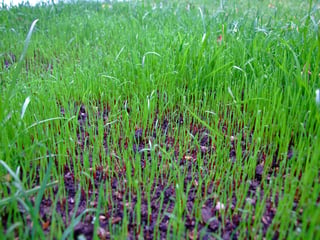
Lawns. This is said to be the best time to sow a new lawn,because perennial weed growth is slowing.The ground and nights are warm and dew helps with moisture so grass seed will be up in no time. If needed water a new lawn early in the morning instead of during the day, between 6am and 10am, this will ensure that the moisture actually gets down into the soil and to the roots of your grass before the sun evaporates it away. For mature lawns aeration with a fork or a push along spikier is one of the easiest and most effective ways to keep your lawn healthy and happy and best done now, in autumn after your lawn has suffered heavy foot traffic and drought throughout the summer. If a lawn is chocked with thatch then the hiring of a detaching machine would be beneficial.


Vegetables: That last rain was just what veg gardens needed and with the now heavy dew's moisture is perfect for all new plantings. Keep planting in rotation, leaf veg where root veg has been and it is a good time to sow root plants like Asparagus , Beetroot , Carrots , Chives , Leeks ,Onions , Parsnips , Shallots , Spring Onions.  When potatoes are dug they need to be kept in the dark or they will go green. I take what I need from a dig and leave the rest in the ground until needed. When the time comes for storing them there are products which will inhibit sprouting, but many gardeners avoid chemicals near food so I will once again mention a natural alternative with you. Layer the stored potatoes with sprigs of rosemary, sage and lavender, the essential oils given off by these herbs not only inhibit sprouting, they will also help to keep the tubers free from bacterial soft rots. 


Fruit: Apples, quince, plums, walnuts and late peaches so much at once! the birds must be overjoyed by their feasting and the rats / mice will be munching sunflower seeds and waiting patiently for the walnuts to ripen, I am sure they are pleased with the work we have put in to feed them!


Cheers, Linda


    lawn-new-grass-seed-li758462grass-seed-dscf295[1].jpg
    Best time to sow a new lawn is Autumn


Tuesday, February 18, 2020

Gardening in North Otago February 19th 2020

Rockvale Gardens blooming

Whew! those hot muggy day's last week were a test to this gardener, things are certainly dry even though we have had some rain, however it is how it should be going into the ripening season.


We are still cutting back and tiding plants here to keep the summer flowering going. Get last years leaf mulch on to dry gardens after a good watering.We will be adding last years leaf mulch to gardens once they are cleared as much needed humus for the soil. Most gardeners remove thick piles of leaves during Autumn, I like to replace them in mulch form then start again storing the next leaf fall to the compost heaps.
Spring bulbs are in Garden Centers now for sale, seems strange I know to think Spring at this time of the year but to get that spring garden delight it starts now. bulbs need to be planted as deep as indicated on packets, at least 4 to 6 inches deep and that's 4 to 6 inches on top of the bulb to get them through very dry patches of weather when dormant. 
Keep dead heading roses and dahlias to keep them flowering well.
Rake mulch off bearded iris rhizomes they need to be exposed to the sun for a baking.
Lawns can do with a good feed now, have some fertiliser ready for when it rains next, if you are finding dead patches it will probably be grass grub, there is still time to treat from now until May when they are at grass roots munching. For a number of years treatment granules were taken off the market but there is a new solution available.Native organic Neem granules deal to grass grub as well as so many other pests about the garden, worth reading up on.

Vegetable and fruit, Still lots of growing happening so keep the water up on days that it will not evaporate quickly. Birds are zooming in on outside growing tomatoes and ripening apples, cover so they cannot be seen with old net curtains or even frost cloth. Apricot trees can be pruned as soon as all fruit is picked. 
Cheers Linda.


Tuesday, February 11, 2020

Gardening in North Otago February 11th 2020


Taking cuttings


February is a good month for taking cuttings and propagating your own plants. Why? Because by late summer the soft new spring growth has hardened and the cutting is less likely to lose moisture  from leaves. Semi-succulent plants like geraniums (Pelargoniums) or impatiens are easiest for beginners, but many common shrubs such as abelia, buxus, lavenders,camellias, azaleas, fuchsias and hebe's have a relatively high success rate. Keeping the cut pieces alive while they develop their own new roots is the trick. Professional nursery people  do this by growing cuttings in glasshouses on heated beds where they’re regularly misted, but there are techniques that help a home gardener to achieve success. Try the following:
Take cuttings early in the morning, while  cool, choose tip pieces that are about 100- 150 mm long then drop into a bucket with enough water for cuttings to stand up in, cuttings can remain there for a couple of days if you are short of time. Work in the shade. Fill a deepish container with river sand or crusher dust  and water well and allow to drain. Trim the base of the cuttings below a leaf node (which is where the leaf is, or has been, attached to the stem). Remove bottom leaves, leaving a few at the top. Large leaves can be cut in half (with scissors or sharp secateurs) to further reduce water loss. Dip the base of the cuttings into hormone Gel or powder. Use a pencil to poke holes in the top of the mix a 150 mm pot can hold about six cuttings. Insert the bottom of each cutting into a hole and gently move the mix back to hold it in place. When the pot is full of cuttings, water carefully and place the pot in a lightly shaded spot, no plastic cover is required at this time of the year but check regularly to make sure the mix stays moist. After a couple of months, gently move the stems to feel if they’re firm. This will mean roots have started. When roots are established the rooted cuttings can be moved into individual pots filled with potting mix and fed with a gentle liquid fertiliser,  raise pot from cold ground over winter then plant into larger pots or into the garden in spring.

Seed collecting is full on now with  so many  seed pods ripening , I am filling many small  paper bags  with sweet peas, cosmos, lavatera, delphiniums, nasturtiums  to name a few.

Monarch Butterflies During bright sunny days Monarchs butterflies are prolific egg layers on swan plants then producing an abundance of caterpillars to strip these plants very quickly.  If you know  your swan plants will not sustain the amount of caterpillars all eggs laid will produce it is best to squash the eggs.  If your swan plants containing caterpillars are in pots  they could be kept in a light area indoors to keep butterflies from them. Swan plants do not make hard wood so are not frost hardy in very cold areas  however there are some mature swan plants trees around North Otago. I can get young plants through winter by covering them with a double layer of frost cloth. 

Lawns are showing heat stress now, keeping lawn mower blades higher will help with shading roots and moisture retention.

Fruit: Feed citrus trees with citrus food and spray any scale you notice with winter oil.  If your lemon bush has become crowded remove a few branches to let light and bees in.

Vegetables:
Keep sowing veg seeds like carrot, beetroot, parsnip, spring onion, and lettuce because there is plenty of growing time left for seeds to germinate and grow. Seedlings being planted now will need bird protection while small.

Cheers, Linda  

Monarch butterfly laying eggs on swan plants.

Tuesday, February 4, 2020

Gardening in North Otago February 5th 2020


Buddleia Royal purple 
What a wonderful rain, I was getting fed up with dragging hoses to wilting gardens.  
This rain was really needed to help gardens recover from those hot nor wester days we have been experiencing. The hedge trimmer has been on the go again here and yes the plants and shrubs did shudder to their roots when it came their way! If it needs it, it gets it! Trimming with secateurs is not practical for us with such a large garden and at this time of the year you can not do too much damage so if hedges need height and width taken well back the regrowth time is pretty quick. 
 Buddleia's have been flowering for a while now for the  butterflies, but now they need all that growth cut well back to encourage new fresh growth to take them through autumn and winter. Buddleia's are a great fill in bush and look attractive with their blue green foliage even without the blue, pink or white flowers, plant at the back of a border and you will not be sorry. 
Begonias, petunias and Lilly's are taking center stage this month, begonias are tropical perennials and like partial shade, strong sunlight will burn leaves and blooms. If growing in dense shade they will grow more leaves than flowers and wind protection is needed because stems are damaged by strong wind. They prefer high humidity not wet soil, let the top inch of soil dry out before watering.
Petunias: dead head often, cutting back and feeding petunias will keep them flowering for ages. 
Lillies: should be in good draining soil but never be allowed to dry out, mulching helps with this. Lilies do not re bloom, remove faded flowers so plants don't waste energy making seeds. Leave foliage until it turns brown, energy is stored for next years flowers, cut dead stalks in late autumn. large lily clumps can be divided up and shifted straight after flowering
Dividing bulbs: The rain this week will have triggered autumn and winter flowering bulbs to break dormancy so time is limited for lifting and dividing congested clumps. Anemones and ranunculus: should be in Garden centers now I pop them in the fridge for a month in paper bags (not plastic) then soak them overnight in tepid water before planting (stratification), this simulates the winter chill then they are stimulated into growth with the water warmth before planting. Staggering the planting over several weeks will extend the flowering. 
Lawns: will green up again after the rain which means no slowing down in growth. I will spot sprayed lawn weeds again on a sunny day, clover really takes off if left and daisies like rain watering, then there is that creeping tiny leafed weed with yellow flowers that forms a mat in lawns. Every little plant off this needs to be zapped because it flowers and seeds very quickly then spreads from lawn to lawn when mowing. 
Fruit: It is time to shorten back fruiting leaders on grape vines, growth is needed for the grapes forming. If a leader has produced too many bunches remove some with shortening back. 
Veg Garden: Get seeds in now for autumn veg, lettuce, carrots, beetroot, dwarf beans, parsley, parsnip, silver beet. Keep mounding up potato rows to encourage bigger shores, corn can be mounded also when it gets high, they have a shallow rooting system and the mounding helps to keep them upright in strong winds. Corn also demands a very high level of nitrogen. The more available nitrogen, the closer plants can be spaced to support each other.


Cheers, Linda.  

Optimal grape vine length.