Monday, July 24, 2023
Gardening in Waitaki July 25th 2023
Moving on into August and temperatures are still not freezing here in coastal North Otago, the ground is still very soft after rain this week assisting bulbs popping through heading for an early spring display. If temperatures do drop buds will be held but the cold will have a noticeable effect on soft new growth.
Early flowering camellias and rhododendron Christmas cheer are adding colour to gardens, prunus autumnalis is in full flower and the fragrance from winter sweet, witch hazel, Daphne, boronia and violets wafting about gardens makes the spring explosion seem closer.
Old wood can be cut out of those lovely old weigela and spirea bushes, you can tell which branches they are because the wood looks old and spent compared to the new fresh wood, prickly berberis can be trimmed top and sides, buddleias should be cut well down to encourage soft silver branching and catmint can now have all old growth clipped off.
Root cuttings: While raking out the last of autumn's leaves that had blown under shrubs I came across branches from shrubs laid down in soil forming roots, viburnum, choisya, camellia and hydrangeas. Shrubs growing low to the ground can sometimes drop a branch into the soil and form roots, leave until the roots become enough to sustain the branch that can eventually be cut from the Mother plant to be potted and grown on. This can also be purposely done at the beginning of spring by pegging branches down into the soil, roots should develop at the covered point, making a small wound on the buried stem will help to stimulate root development
Peony roses: Cut the old growth from peony roses now and destroy, disease can winter over on last year's stems, be careful not to knock the new pink shoots emerging from the tubers. Cut the old growth from dahlias now as well, if thick and tubular bend the cut stalk over to prevent rain building up inside which will lead to rot in a tuber.
Iris: Remove soil / mulch from bearded iris rhizomes, they are starting to move now and need to be partially exposed to give the best flowering, a dressing of lime / potash will boost iris flowering, avoid nitrogen which will encourage too much leaf growth.
Roses: Pruning continues and with roses making a move to bud, roots will be now taking in food, powdered rose food needs watered in around the drip line, slow release fertiliser will work each time it rains, keep manure away from the crown.
Lawns: This week's rain will have shown Gardeners where drainage is poor, best to keep off lawns but take a note where areas need built up. Birds will be pecking for worms as they come to the surface to avoid water and in doing so will be aerating compacted lawns. While lawns are still moist I plan to top dress with compost that I have worked through a wide mesh sieve to add humus as my new lawn has a high clay content. Wait until late spring to feed with lawn fertiliser when grass is showing new top growth. Feeding grass too early will interfere with root development happening now.
Vegetables: Soil will be sachurated after the rain right now so best to let it drain and plan your early plantings for later in the month for spring planting.
Fruit: Prune newly planted fruit trees, this is probably the hardest cut you’ll make, but the most important. Cut a new tree at about hip height, do this whether you're wanting a vase shape or a single leader. If the main branches start here they’ll be reachable when fully grown.
Let's hope we don't get too many dull overcast days by the time fruit trees blossom, we need those wonderful bee's to come out and set to work pollinating.
Cheers, Linda.
Tuesday, July 18, 2023
Gardening in Waitaki July 19th 2023
Mild weather for North Otago this week nudging spring on before its time.
Plants will be pushing out new growth that may be in danger of getting a knock back should temperatures plummet as they could, and should during August or even September putting Gardeners at the mercy of nature and weather forecasters. With soil warming and days lengthening seed germination begins but don't be tempted to sow seeds outdoors because spring is still a way off. I have early flower and veg sown seeds germinating in a tunnel house but if a temperature freeze does occur I will put a duvet of frost cloth over them even though they are under cover.
Mild days start compost working, I emptied my bins this week and found worms in abundance. My clay / soil raised veg gardens will benefit from the worm filled compost, it took no time at all for the worms to disappear down into the soil leaving the compost on top to suppress weeds.
Hydrangeas will be budding, protected hydrangea bushes can be pruned but those exposed to the are best left until nearer spring, however you can give pink hydrangeas a dressing of lime now to keep them pink and blue hydrangeas a dressing of sulphate of allium or the specially prepared blue hydrangea mix that can be bought from garden centres. Soil determines the shade of hydrangeas so with having neutral to alkaline soil (pH 6.5 and higher the only way I could keep blue hydrangeas blue was to plant them in a pot with an acid potting mix which needs topped up during the growing season with an acid fertiliser because potting mix becomes depleted in food.
Large leggy rhododendrons can be reduced in height now and they will then push out new growth in spring, cut back to a healthy bulging nodule and then mulch with a good compost. It will take a few years for them to build up good top growth again but they will.
Rose pruning should be still happening here on the coast, don't worry if you see your roses beginning to leaf, a cold snap will burn this new growth back but they will recover and bud up again. Invest in some good secateurs to cut clean, rips on a rose prune will not allow the cut to seal which will result in dieback and can sometimes claim a whole branch. Roses are best planted during dormancy, new varieties are available from garden centres this month.
If winter has left your garden looking a little too bleak, the local garden centres will also have nice potted colour to brighten things up. I have noticed pansies, wallflowers, polyanthus and primula malacoides which look fresh and bright planted in groups or as a border. Vegetables: Time to start preparing the soil for spring planting. Cultivate vacant spaces, digging in green crops sown earlier. Add compost, and lime if you feel the garden needs humus and sweetening.
Garlic planting time, the list of facts, benefits and legends surrounding Garlic are so many and varied, garlic has been a staple in both the pantry and the medicine cupboard for centuries.The shortest day is traditionally garlic planting time but it is still ok to plant it now. Plants can be grown from the small, separate cloves which need to be planted pointed end up, five to seven cm below the soil surface and about 10 to 15 cm apart in a sunny, well-drained location and well-prepared soil with plenty of organic matter worked through. Garlic will also grow well in containers or pots. Plants grow to about 60-90cm tall during winter and spring, and flower before the top growth dies off over summer. Water regularly during summer when bulbs are forming and add liquid fertiliser to encourage bulb growth. Source bulbs from a garden centre as garlic bought from a supermarket may have been sprayed to inhibit sprouting.
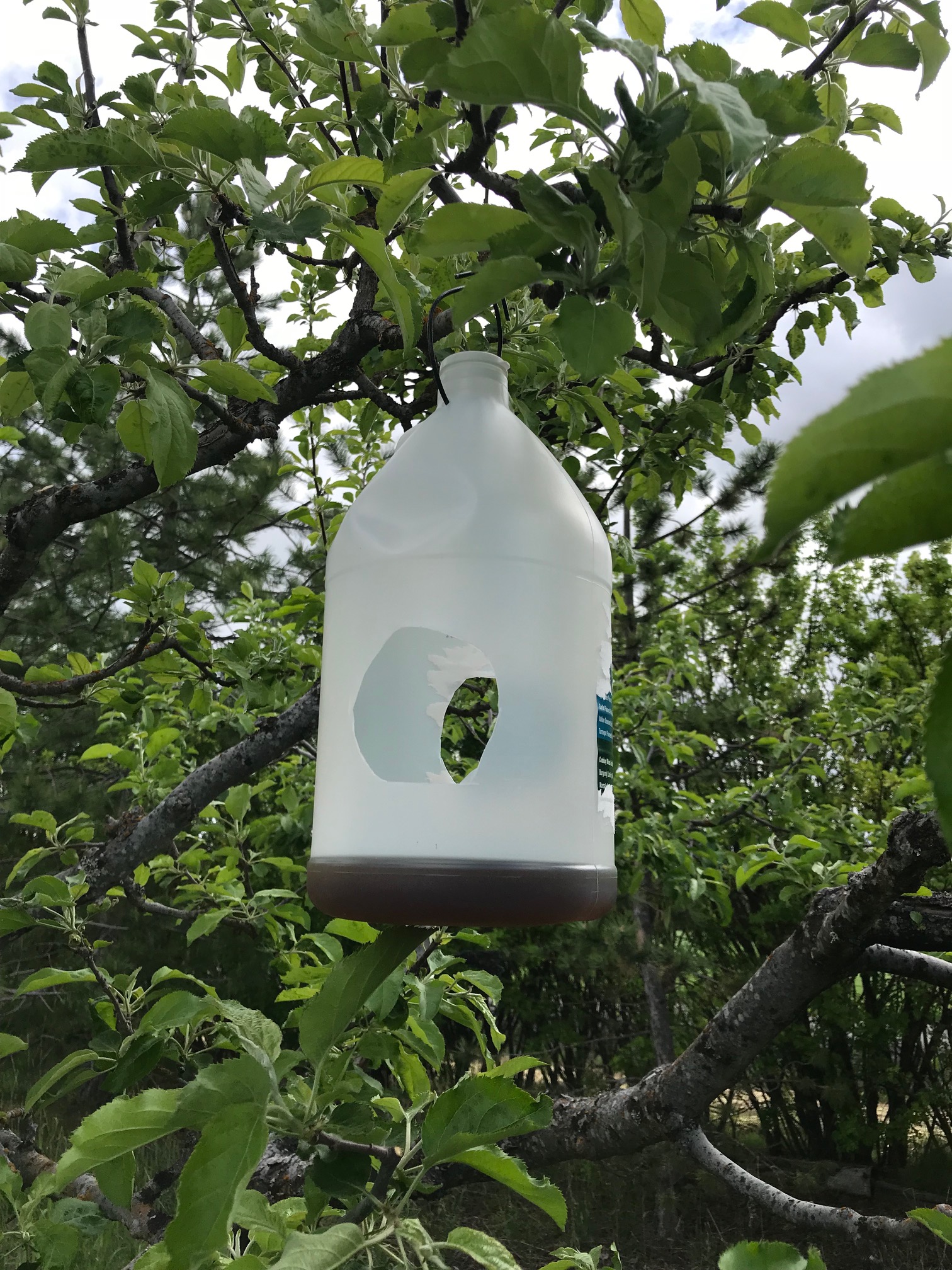
Fruit Winter is the time you will find the best selection of fruit trees in garden centres. It may be cold and miserable outside but it's the best time to buy your trees for planting. They are usually grafted and tall growing so keep the soil below the graft, plant up to where they were planted in the bag then stake well to protect against the wind. A tip I read the other day that could work to eradicate codling moth attacking apple trees. Quarter fill a tin or plastic milk container with treacle and hang it in the tree to attract male grubs because the treacle is said to smell like the female codling moth pheromone attracting the male grub into the container to reach a sticky end. A double bonus is that the treacle will attract grub-eating birds.
Cheers, Linda
Tuesday, July 11, 2023
Gardening in Waitaki July 12th 2023
Sow seeds for an early start.
Bursts of winter sun help to get plants and Gardeners through this winter and a drier second week of School holidays for Kids and Mums.
With enough winter rain the ground is soft and ready for spring bulbs and plant roots to increase growth. Magnolias, camellias, rhododendrons and azaleas will also be doing well in moist soil as will all native plants. I see daphne's in flower now and hellebores, primroses and polyanthus are just starting to brighten gardens. Primroses are so pretty they clump up well and in time can be broken up and spread .If you are at the stage of breaking up clumps, remove quite a few leaves on transplanting and keep the water up to them until they take hold, they will soon grow new roots to support them. Polyanthus and primulas will benefit from an application of Dried Blood to increase plant vigour and flowering
Sowing seeds now for spring: Under glass sow seeds of antirrhinum (snapdragon), carnation, calendula (common marigold), sweet peas, verbena and viola they should pop up and be ready to plant out in spring. for planting out in Spring. I have been sowing mixed wild flower seeds to get them up and going early in the hope of an early
warm spring. I have them in a tunnel house and will pot them on and hold from planting until the soil is warm enough.
Dahlias, gladioli, and peonies should be in Garden centers this month, hold back from planting in wet soggy soil, planting can continue until September.
Winter planting: If young trees or shrubs need transplanting now is a good time to do it whilst they are at their most dormant stage.
Continue protecting plants like Margarete daisies and pelargoniums from frosts with Frost Cloth as a cover above them, not touching. I have Margarete daisies that frost on the top each year, I just leave the frosted tops on to protect the new growth beneath. This would not work further inland. It would be best to protect or nurse cuttings to be planted out when the frosts are over.
Rose pruning is still going on, just in case you need reminding on how to tackle pruning.... make a slanted cut just above a strong outward facing bud.
Standard roses should be pruned to about 25cm above the main stem and bush roses can be cut back about two-thirds, leaving 3-4 buds on each branch.
Climbers can go back leaving 5-6 strong canes. Secateurs must be sharp to avoid damage by ripping branches which leads to die back.
Turn over compost now if you have not already done so and add some moisture if dry. If you still have leaves to Rake up why not fill large black rubbish bags,add a little water and leave to rot.
Leaf mulch is such a natural benefit to soil but most leaves are raked up at leaf fall because they look untidy. Rotting leaves down to leaf mulch when ready can be added to gardens and it will not be noticed.
One of my new gardens is continually shaded by a fence and remains cold and wet, I plan to mulch with sawdust from a lion's stand to help soak up moisture and keep soil a little warmer. Volunteers clean out calving sheds and under shearing sheds to keep the stands topped up with sheep manure & sawdust for keen gardeners. Calving shed sawdust can be used on garden pathways and wet gardens and sheep manure on the compost heaps, vegetable gardens and around roses when horse manure is not at hand, but never on dry gardens, it will dry out soil already not retaining moisture.
Vegetables
In land from the coast start raising vegetable seeds for spring planting in glass houses or on warm ground under glass or plastic with ventilation spaces to circulate air and stop seeds going moulding.
On the coast plant seedling plants that are now on offer along with garlic cloves.
Start sprouting seed potatoes, early varieties like Jersey benne, Cliffs kidney, Rocket, Ilam hardy, Maris Anchor should be sprouting now for an early planting.
Fruit: Look closely at the shape of your fruit trees and plan how pruning can improve them if needed.
Cheers, Linda
Get early seed potatos sprouting
Tuesday, July 4, 2023
Gardening in Waitaki July 4th 2023
convolvulus roots ned to be removed
Here we are now in July and winter has kicked in with hints of the spring to come with spring encouraged to burst through the ground on milder days and some even flowering. Windy days have blown remaining leaves from trees to swirl about and tug at exposed plants and young trees in need of staking. If roots are moving in the ground, shrubs and trees will never anchor into soil and thrive. I have found watering is needed on gardens under eaves through winter, especially during windy days. I have such a garden protected from rain which needs to be watered at least fortnightly.
A big job in my past garden on milder days right now was cutting back deciduous shrubs, and dealing with convolvulus roots now that top growth has died off. In patches of garden where convolvulus was growing up and smothering shrubs I would dig out wheelbarrows full of roots, I kid you not!!, long white roots that criss-crossed ground spreading through plant roots and along a fence lines seeming to know where they needed to be to climb. It is so satisfying to start at one end of a root right to the end and remove it without it breaking . Because I never used weed spray on the garden, digging and pulling it out was the only way to beat it.
Pruning continues through this month to control trees and shrubs from getting out of hand and to encourage new growth and fruiting at the right height. Understanding how something grows is helpful before pruning, does it flower on new or old wood, how mature does a fruit tree need to be to produce fruiting spurs. Will a wound heal well or will it bleed like cherries and plums and if so when does it produce less sap? But sometimes it is best just to do it, the worst that can happen is that you will lose a season's flowering and learn a useful lesson at the same time.
Hydrangeas and lavender are best left now with old growth protecting new growth, pruning can be done in early spring.
Rose pruning is done to encourage new growth and stop last summer /autumn growth running to seed which would use up energy needed for flowering in the season.
Bush roses: concentrate on clearing the center of the bush, remove all inward facing branches at an outward facing bud, prune height back by two thirds always at an outward facing bud and remove any old and damaged branches. Brush old gnarly rose centers with a wire brush to stimulate and encourage new budding.
Floribunda bush roses: like iceberg with a number of blooms on one stem need a few older branches taken right back each year to encourage new strong branching and newer branches taken back by two thirds.
Hybrid tea roses: These are the roses that can grow a single exhibition bloom on a stem, these rose bushes can be pruned back quite hard to an outward facing bud.
Standard bush roses: Same as bush roses.
Climbing roses: These roses flower at their best when the branches are trained horizontally along a fence or wall, they will then develop small branches along the length to carry flowers. After a number of years a main horizontal branch will become unproductive and need to be removed and replaced with a new branch to be trained gently to take its place. The new branch will bud up quickly sending out small outward growing branches to harden off in a couple of years. To prune established horizontal branches, take the outward growing branches back to the second out facing bud closest to the main horizontal branch.
Pillar roses: These are the best type to climb up and be trained over an arch or pergola. I cut the old growth back from these with a hedge trimmer
Fairy rose and flower carpet roses: I also cut back with a hedge trimmer but opened them up by removing branches from the middle with secateurs.
Veg: Rain will have made veg gardens a bit soggy to work in, young veg will sit now without growing because they dislike cold wet ground. Once they dry out I plan to weed the raised gardens and top with manure enriched compost for worms to take down in readiness for spring planting. In cold areas, if the ground is frozen start garlic off in containers and plant out later when the ground warms up.
Fruit tree pruning:
I have found If I prune an apple tree hard each winter it will make a mass of new growth but no blossom, hence no fruit. So now any tree or shrub that is growing too vigorously I wait until summer to prune hard, when leaves are fully grown and before roots start to store food for winter. Cuts heal over pushing out no new growth. This is a good rule of thumb for cordons (espaliered trees) only cut back any weak growth in winter to encourage vigorous new shoots in spring. If removing large thick branches in summer while sap is up wounds may need sealed if they bleed.
Cheers, Linda.
Monday, June 26, 2023
Gardening in Waitaki June 27th 2023
Winter colour with ericas
Here we are at the end of June and still mild days being experienced here on the coast plus there are jonquils flowering everywhere now instead of waiting for spring. Helleborus are also pushing up fat buds and flowering, removing all old leaves will show the flowers and allow new leaves to join them.
I always started pruning large rambling roses now in my past garden, the time by which rose pruning should be completed varies by several weeks from the warmest to coldest gardens. It should be done and dusted by the time of bud burst so we have a good two months to get rose pruning out of the way here on the coast and a little longer further inland. There are new season roses on offer in Garden centers and this is the time to get them planted and settled in to get feeder roots forming for summer flowering. If planting new standard roses they will need staked to keep them secure until enough roots have established to grip and hold them upright. Newly bought roses also need pruned, growers just lop them back before sending them off to Garden centers so crossover branches need to be cut out and all others cut back to an outward facing bud.
The bulk of new season's bare rooted deciduous trees are arriving into retail shops now and the ground is perfect for planting but avoid times when the ground is frozen or excessively wet, no roots like sitting in water, especially new young roots which have not made a root ball of feeder roots. Young deciduous trees and shrubs can also be moved at this time, trim any damaged roots and cut back any that are inconveniently long then stake well.
Evergreen trees and shrubs are on offer as well, but don't be in a hurry to plant them. Keep in plant bags outside in a sheltered place to harden off. Choose now and plant later when frosts are over to give them a good start. I enjoyed digging out shrubs and plants that didn't work where they were planted and filling the gaps with a new look. Erica's give wonderful winter colour and I have known them to last for 30 + and still look good if they are trimmed annually after flowering. I managed to get hold of a number of small grade ericas to plant that will in time give drifts of bright clear colour through future winter months. Erica's are low maintenance plants, most are winter flowering, they look great planted as a border or to spill over walls.
Fruit & Veg.
Keep planting deciduous fruit trees and bushes in a sunny site, avoid frosty hollows for early starters such as plums and pears.
Frosty sites are not a disadvantage for soft fruits as winter chills will stimulate fruit buds.
Continue to shelter citrus in frosty gardens, they should be offering a lot of fruit to pick now.
Keep planting garlic cloves, local if you can get them and never those bought in a Supermarket. In cold wet areas start garlic off in containers then plant out later when the ground warms up.
Cheers, Linda
Tuesday, June 20, 2023
Gardening in Waitaki June 21st 2023
Gardens are sleeping through the cold short days but, are they? buds are swelling and bulbs are up answering the call of spring. While growth is slow and there is not a lot of urgency right now to do what needs to be done in the garden, there is time to plan and maybe construct for the coming growing season.
Raised gardens have proven to be easy care but need to be put together well in the beginning. Advantages of a Raised Bed Garden: Raised gardens warm quickly in spring, allowing you to work the soil and plant earlier. Being raised they drain better. No compaction of soil, because they are not walked upon. Its easy to tailor the soil to suit plants in a raised bed.
Raised beds are not difficult to construct using wood or (here in North Otago) Oamaru stone seconds as a surround. If you need time to think about a permanent position for raised beds you could make some using straw bales as surrounds for a year. Once in place to the size required, fill them with soil and compost and plant out. A sunny location is a must for growing vegetables and herbs. Accessing all sides with a wheelbarrow is recommended for ease of maintenance, keep a raised garden around four feet wide, this way you can reach the middle. Access to water is essential with drainage being greater in raised gardens and from time to time will need good spankings.
Filling a raised bed:
First layer: For a deep raised bed on grass I spread a layer of compost to bring up worms, then twigs sticks old stump matter, grass clippings / straw, then soil and manure enriched compost mixed to fill. However a raised bed of six inches above the soil is enough to grow leaf vegetables and herbs and at least ten inches for root veg veg but I don't see the sense in not raising it to a height that will reduce the amount of digging and bending you do.
If winter has left your garden looking a little bleak, Garden centers will have potted colour to brighten things up. I have noticed on offer pansy's, wall flower, polyanthus and primula malacoides which look fresh and bright planted in groups or as a border before bulbs bloom. -
Tulips planted in May should be showing now, don't give them any fertilizer as this will only promote leaf growth which will take away from the bloom. Tulips store the food needed in the bulb.
Veg: Here on the coast get seeds in for broccoli , cabbage, cauliflower, broad beans, onions, spinach and silverbeet and protect in a warm spot with moisture kept up when needed and they should be ready to transplant in 6 -8 weeks from germination. Approximately 4 cm high with a good amount of root. Prick out into punnets, they will hold until frosts are over before planting out.
Cheers, Linda.
Monday, June 12, 2023
Gardening in Waitaki June 13th 2023
Frosts are here to stay for a while now with the shortest day upon us, Plants wanting to be planted can be acclimatised to the cold by gradual exposure to outside and overnight temperatures as some bought plants have been nursed to get them into retail outlets. Many plants may be frost tender when young but will be quite tolerant when mature. Keep an eye on weather forecasts, if the overnight low is predicted to be 4 degrees Celsius or below with little wind, tender growth will need a cover. There are ways now to minimise frost damage when plants are young, overhead cover which still lets light in is frost cloth, acting as a duvet for plants but needs to be kept from touching foliage. Plants growing under evergreen trees are protected from frost so this might be an option for where to place potted tender plants.
Water in mornings –it has been proven that a moist soil can hold four times more heat than a dry soil. It will also conduct heat to the soil surface faster than a dry soil, aiding in frost prevention. These days sprinklers are sometimes used on commercial plantings to keep plants “warm” on a frosty night, the science being that as water freezes, it releases heat, hard to figure?
Most perennial plants will recover in spring from frost damage even if they have gone black or mushy, don't remove the affected growth, just leave to protect the new growth which will appear when the ground warms up again. In favor of frost, it is very effective in reducing the populations of over-wintering pests, it will will also help break down clay soil if clods are left exposed over winter and come spring soil will fork over easily prior to planting.
Digging up and shifting plants around the garden like rhododendrons, azaleas and magnolias, if shiftable size can be shifted now and anything you think has been struggling in the spot it has been planted in. This is also the time to remove trees and shrubs that have long out grown their youthful beauty, you can change the whole look of a tired garden by replacing these plants with a younger version of the original or something different.
I notice many native shrubs that have grown into ugly woody trees, ake ake, hebe's, olearia traversiorum (Chatham island ake ake) and Hoheria (lace bark) which is a nice tree for a number of years but will then die back and eventually look half dead. Pittosporums will grow nicely for many years if trimmed but if left to grow into a tree will soon become unattractive. Most respond well to being taken right back to ground level and will regrow into a nice shrub. Over grown hoherias need to be completely removed.
Lawns: that performed poorly in spite of feeding and watering during the growing season may be improved with a winter liming, aim to achieve a PH of around 6 (mildly acid) which will encourage strong grass growth. Worms will also appreciate lime.
Vegetable garden: The shortest day is here already which which means gradually lighter days, but as we all know there is a lot of winter yet to come here in the south. The shortest day means garlic planting and plenty more veg here on the coast if you provide a warmer microclimate to aid growth. Cloches for protecting newly planted seedlings in frosty areas, or plant veg in pots or boxes and position them in a warm sheltered spot to make the most of our North Otago winter sun.
Fruit: People have been asking me about the pruning of fruit trees, it is confusing to explain unless showing someone so I thought I would give an explanation which I hope will be easy to follow when planting a new apple trees. Apples are produced from shoots which are in their second year. One of the aims of pruning is to produce a balance between side shoots produced this year and those produced last year. The first pruning should occur immediately after planting, make sure you know if you have a one or two year old tree. A one year old apple tree - cut off the top half of the trunk with a sharp secateurs but before cutting make sure the bottom half contains at least four buds or formed branches. If not, make the cut higher above the fourth bud. Second, third and fourth year old apple trees: The light grey coloured parts of the tree show growth in the previous year, this should Not be pruned, black coloured side shoots should all be pruned by a third, cut just above an outward facing bud - this bud will then produce a side shoot in spring which will grow away from the centre of the tree. A five year old apple tree can be considered mature and the basic shape will have been established. Pruning should consist of keeping the centre of the tree relatively clear of growth, removing all weak or diseased growth and keeping the tree within the space available. Remember that apples will grow on wood produced the previous year, so always leave a good proportion (say 50%) of the previous year's growth. I hope this is straight forward and helpful.
Cheers, Linda
Subscribe to:
Posts (Atom)